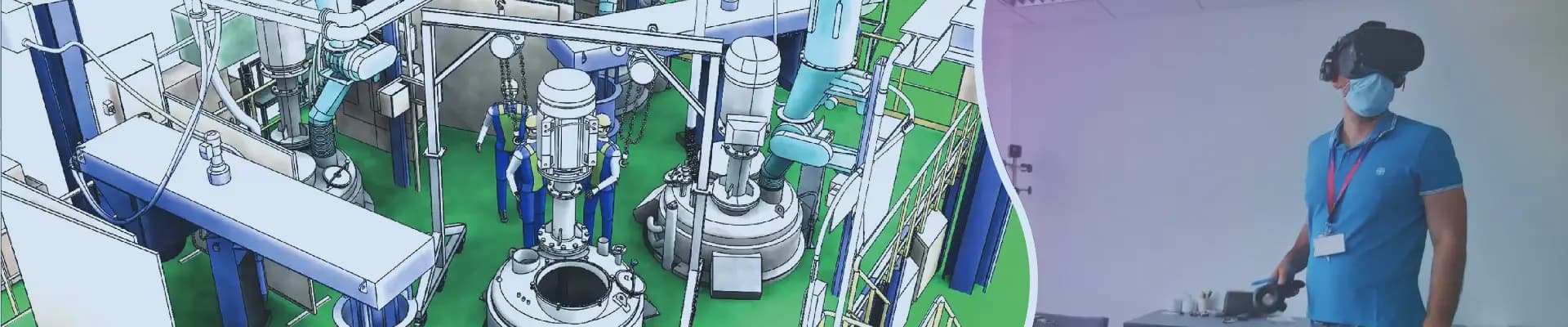
Virtual, Augmented & Mixed Reality Simulations
VR, AR, and XR Solutions for Construction and Mechanical Engineering
Why Use Our Simulation Services?
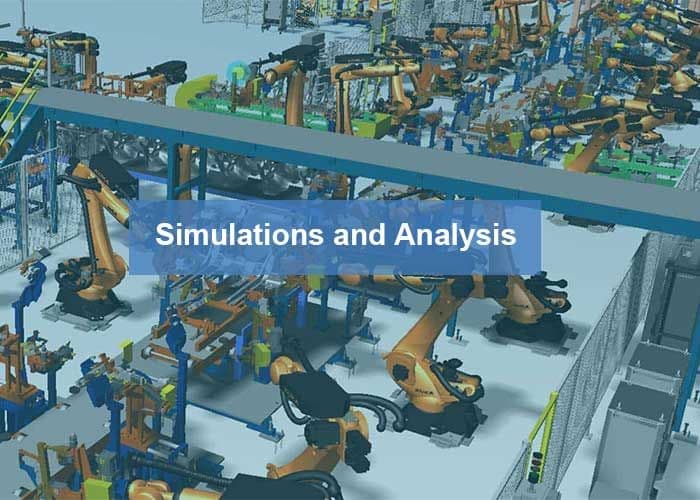
We create virtual simulations and analysis tools for construction and mechanical engineering projects. These simulations can include motion analysis, installation methods, and method statements, helping project teams plan work before it starts on site.
We simulate movements, installation steps, and project activities to help teams understand how work can be completed safely and efficiently. This can help identify possible problems early, reduce errors, and improve project planning.
Our VR services create interactive 3D environments for project review, analysis, and presentation. Project teams can explore the design in a virtual space, understand complex systems more easily, and review possible issues before installation or construction begins.
We use AR and XR to show digital information directly in the real environment. These tools can support mechanical installations by providing visual instructions, project data, and 3D information on site. AR and XR can also be used for training, work instructions, and learning new methods in industrial environments.
Our simulation, VR, AR, and XR solutions help engineering teams plan work more clearly, improve communication, and reduce risks before and during project execution.
VIRTUAL SIMULATIONS AND ANALYSIS SERVICES
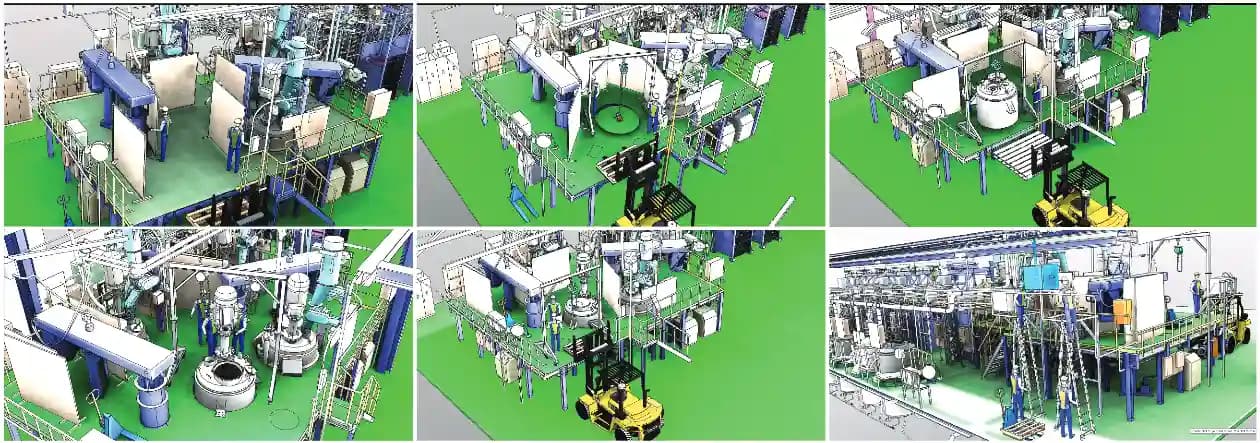
Our virtual simulation services help engineering teams plan and present mechanical engineering projects. We create simulations for installation methods, mechanical equipment, construction activities, and design presentations. These simulations make complex project information easier to understand before work begins on site.
•Virtual Simulations for Method Statements:
We create motion simulations to show how construction and mechanical installation activities will be performed. Teams can review equipment movement, installation steps, working space, and possible risks before starting the work. This helps improve method statements, safety, and project planning.
•Mechanical Equipment and Installation:
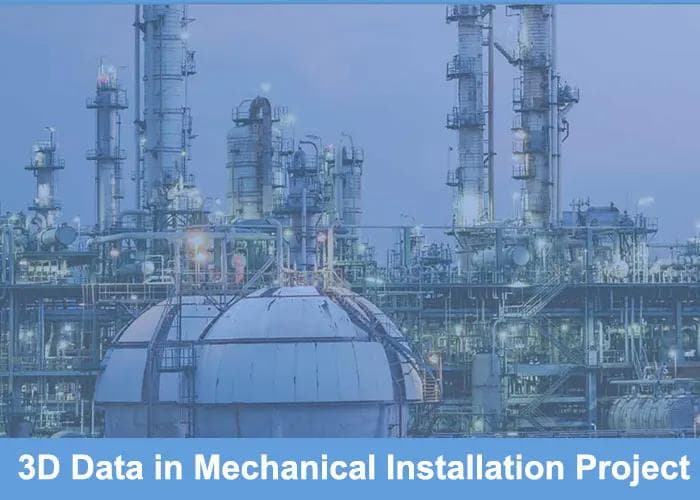
Our virtual simulations show mechanical equipment and installations in a clear 3D environment. Project teams can review equipment positions, movements, access areas, and installation steps before work begins. This makes complex systems easier to understand and helps teams make better project decisions.
•Design Presentation:
We use virtual simulations to present designs in a clear and interactive way. Project teams and clients can review the design, understand how systems work, and identify possible problems before installation or construction. This improves communication and helps everyone understand the planned solution.
•Benefits of Our Services:more ▼
•Better Accuracy:Simulations help teams review project activities and identify possible problems before work begins.
•Better Planning:Teams can review installation steps, equipment movement, and working areas before going on site.
•Better Decisions:Clear 3D simulations make complex project information easier to understand and discuss.
•Better Communication:Visual simulations help engineers, contractors, clients, and other project teams understand the same plan.
•Lower Risk:Possible installation problems, access limitations, and conflicts can be reviewed before work starts.
•Save Time and Cost:Finding problems earlier can reduce on-site changes, delays, and additional work.
Our virtual simulation services help engineering teams understand complex projects, improve planning, and prepare installation activities before work begins. By using clear 3D simulations, teams can review different methods, identify possible problems, and make better decisions before going on site.

In the posts below, you can find more information about this type of service, as well as examples from customers who have implemented these services in engineering projects.
Can virtual simulations be used to train teams?
Yes, virtual simulations are an excellent tool for training, as they allow teams to explore methods, equipment, and processes in a safe virtual environment. This helps teams become familiar with project details and improve their skills before actual implementation.
How does virtual simulation help in reducing project risks?
By allowing a thorough examination of methods, equipment layouts, and design concepts in a virtual environment, simulations reduce project risks. Potential issues can be spotted and resolved before physical implementation, reducing errors, minimizing delays, and enhancing project safety.
How do virtual simulations improve method statements?
Our motion analysis simulations allow us to visualize and analyze the specific steps and movements involved in a method statement. This enhances safety and precision by identifying potential issues and ensuring the process is optimized before implementation.
Can virtual simulations be used to showcase equipment installations?
Yes, our virtual simulations create a realistic and interactive 3D environment for mechanical equipment and installations, allowing stakeholders to understand complex systems more clearly. This helps in making informed decisions and ensures that equipment layouts meet project needs effectively.
What types of virtual simulations do you provide for engineering projects?
We offer various virtual simulations, including motion analysis for method statements, interactive presentations for mechanical equipment and installations, and immersive design presentations. These simulations help ensure accurate planning, safe execution, and effective communication of project details.
VIRTUAL REALITY (VR) SERVICES
Our VR services help engineering teams explore, review, and understand projects in interactive virtual environments. We turn 3D project data into VR experiences that can support different project stages, from design and planning to installation, training, and operation.
•VR Simulations:
We create VR simulations of mechanical systems, equipment, and industrial environments. These simulations allow project teams to explore processes and understand how systems work before real-world activities begin. This helps teams review project plans, identify possible issues, and make better decisions in a safe virtual environment.
•VR Walkthroughs:
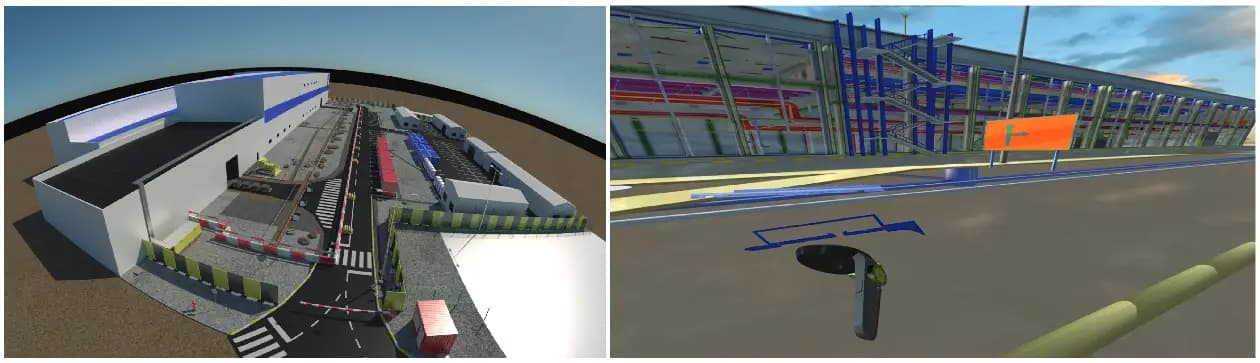
Our VR walkthroughs allow users to explore mechanical installations, equipment, and industrial facilities before construction or installation begins. Project teams can walk through the virtual environment, inspect different areas, review layouts, and identify possible problems before work starts on site.
•3D Data Optimization for VR:
We prepare and optimize complex 3D models for use in VR applications. This helps large engineering models run smoothly while keeping the important details needed for project review and visualization. Optimized models can be used for VR simulations, walkthroughs, training, and project presentations.
•Benefits of Using VR:more ▼
•Better Visualization:VR allows project teams to explore a full-scale virtual environment and understand mechanical systems, equipment, and project layouts more easily.
•Better Decision-Making:Teams can interact with virtual 3D models, review different options, and make project decisions before work begins on site.
•Safe Testing:VR provides a safe environment for testing processes, reviewing possible risks, and checking different project solutions without affecting real operations.
•Team Collaboration:Multiple team members can review and discuss the same virtual environment, even when they are working from different locations.
•Training:VR can be used to train operators and project teams by allowing them to practice tasks, procedures, and work methods in a controlled virtual environment.
•Time and Cost Savings:Finding design problems and installation challenges early can reduce on-site changes, delays, and additional project costs.
Our VR services can support engineering projects from early design and planning to installation, training, and maintenance. By using existing 3D project data in an interactive virtual environment, teams can understand projects more clearly, find problems earlier, and prepare for real-world work before it begins.
In the posts below, you can find more information about this type of service, as well as examples from customers who have implemented these services in engineering projects.
What equipment is needed to experience VR simulations?
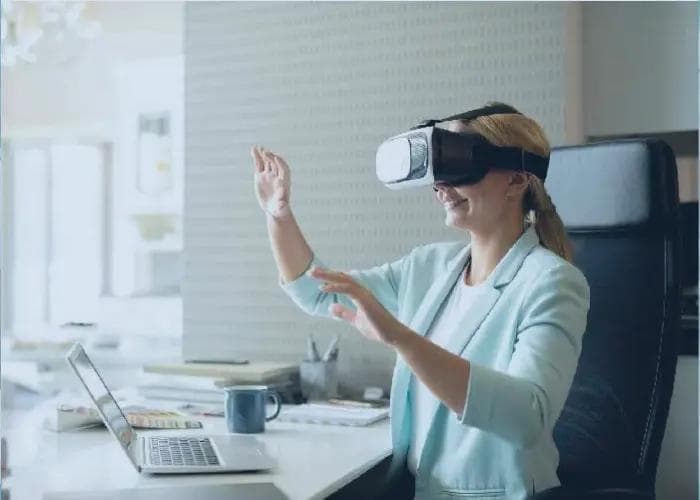
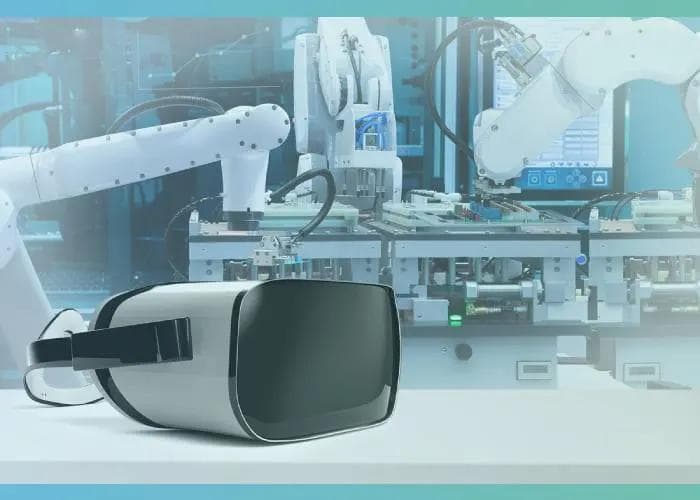
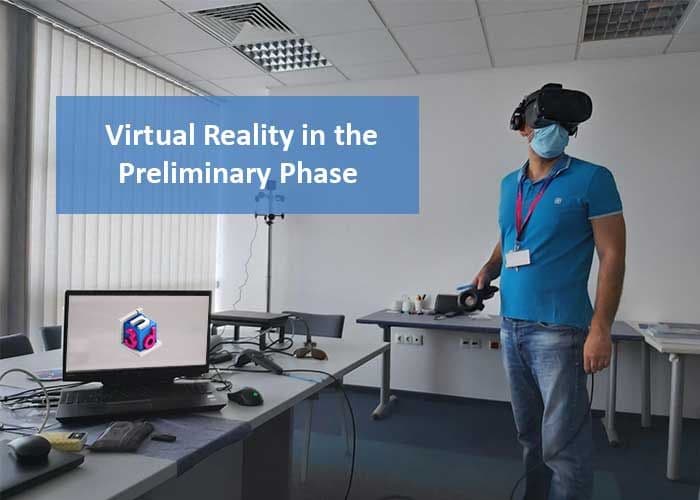
To fully experience our VR simulations, users typically need a VR headset and compatible hardware. We design our simulations to work on popular VR platforms, providing accessibility and ease of use for clients and team members.
How does VR help with training and skill development?
VR offers a safe and interactive environment for training, where team members can practice working with equipment, procedures, and safety protocols. This improves skills and confidence before they engage in real-world operations.
How can VR services benefit mechanical engineering projects?
VR services provide an immersive experience that allows project teams to visualize, interact with, and evaluate mechanical systems and designs before they are physically constructed. This reduces risk, enhances project understanding, and supports more informed decision-making at all stages of development.
What types of VR simulations do you offer?
We offer VR simulations that create virtual replicas of mechanical systems and environments. These simulations allow stakeholders to explore system behaviors, visualize designs, and understand project details in a fully immersive setting, aiding accurate planning and execution.
How do VR walkthroughs improve project outcomes?
VR walkthroughs allow users to inspect mechanical installations, equipment, and system layouts in a virtual environment before physical construction. This interactive experience helps identify potential issues early, ensuring that projects proceed smoothly and efficiently.
What phases of the project lifecycle can benefit from VR technology?
VR can be beneficial throughout the entire project lifecycle, from conceptual design and planning to implementation and maintenance. It enables teams to visualize, test, and refine systems at every stage, resulting in higher project quality and success.
AUGMENTED REALITY (AR) SERVICES
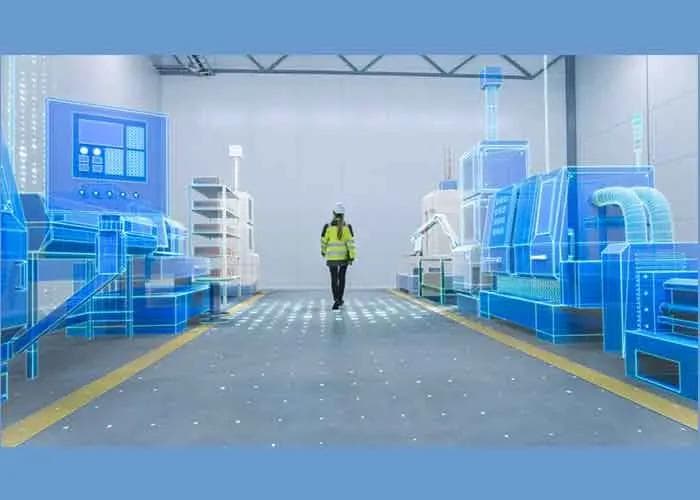
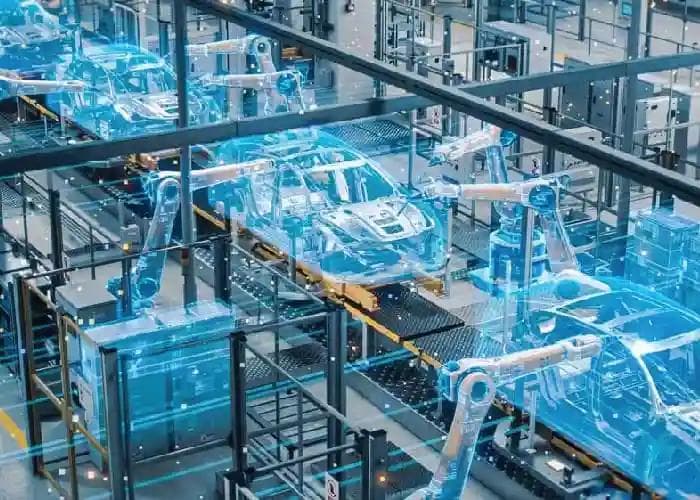
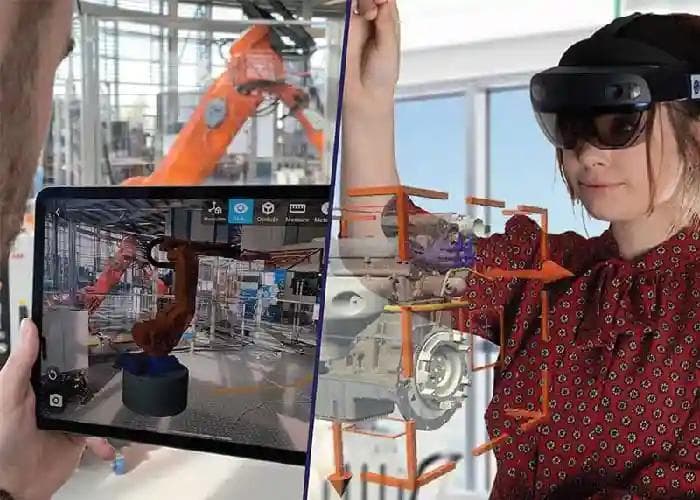
Our AR services help engineering teams use digital 3D information directly in the real environment. By placing digital models, instructions, and project data over physical equipment and spaces, AR can support planning, installation, training, inspection, and maintenance work.
•AR Simulations:
We create AR simulations that place digital 3D content into real-world environments. This helps project teams see mechanical systems and processes in context, understand layouts more clearly, and review project information before or during on-site work.
•AR Animations:
Our AR animations show how mechanical components, equipment, and systems work directly in the physical environment. They can be used to explain installation steps, operating methods, maintenance tasks, and other project activities in a clear and visual way.
•Optimization of 3D Data for AR:
We prepare and optimize 3D models for use in AR applications. This helps complex engineering data run smoothly on different devices while keeping the important details needed for visualization, training, and on-site support.
•Benefits of Using AR:more ▼
•Clear Visualization:AR places digital 3D information into the real environment, helping teams understand equipment, installations, and project layouts more easily.
•Improved Accuracy:AR can support installation, inspection, and planning by showing digital information directly where the work is taking place.
•Faster Workflows:Easy access to 3D models, instructions, and project data can help teams review information and make decisions faster on site.
•Better Collaboration:AR helps project teams share and review the same digital information while working with the real environment.
•Lower Risk:AR can help identify possible installation or design issues before they lead to changes, delays, or problems on site.
•Time and Cost Savings:Finding problems earlier and providing clear on-site information can reduce rework, project delays, and unnecessary changes.
Our AR services can support mechanical engineering projects from design and planning to installation, training, inspection, and maintenance. By bringing useful 3D information into the real environment, AR helps teams understand the project more clearly and work with better information on site.

In the posts below, you can find more information about this type of service, as well as examples from customers who have implemented these services in engineering projects.
Can AR technology be used for training purposes?
Yes, AR provides an interactive way to train team members on operating mechanical systems and following safety protocols. It allows users to practice and understand systems in the real world, which improves skill development without the need for actual equipment.
What equipment or devices are required to experience AR simulations?
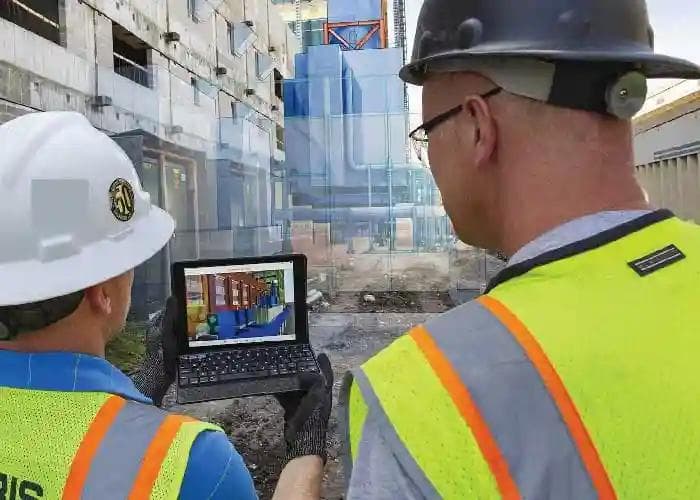
Our AR simulations can be accessed through various devices, including smartphones, tablets, and AR glasses. We design our AR experiences to be compatible with popular AR platforms, making them accessible and easy to use.
Can AR be used to support equipment maintenance and troubleshooting?
AR allows stakeholders to place digital models of equipment and installations into the actual project site, enabling accurate spatial assessments and design validation. This ensures that designs fit seamlessly within the physical environment and meet project specifications.
How do AR animations help with project presentations?
AR animations bring mechanical components to life by demonstrating their operations and interactions in a dynamic, augmented environment. This makes project presentations more engaging and informative, improving stakeholder communication and alignment.
What types of AR simulations do you offer?
We provide AR simulations that overlay digital models and information onto physical environments, allowing stakeholders to visualize mechanical systems in real-world settings. This makes complex systems easier to understand and analyze.
What is involved in optimizing 3D data for AR, and why is it important?
Optimizing 3D data involves refining models to perform efficiently in AR applications. This ensures smooth operation and clear visualization, enhancing the AR experience on various devices and platforms, which improves accessibility and usability for project teams.
How can AR assist in project planning and design validation?
AR allows stakeholders to place digital models of equipment and installations into the actual project site, enabling accurate spatial assessments and design validation. This ensures that designs fit seamlessly within the physical environment and meet project specifications.